The Strait of Hormuz: A Volatile Corridor Threatening Global Markets
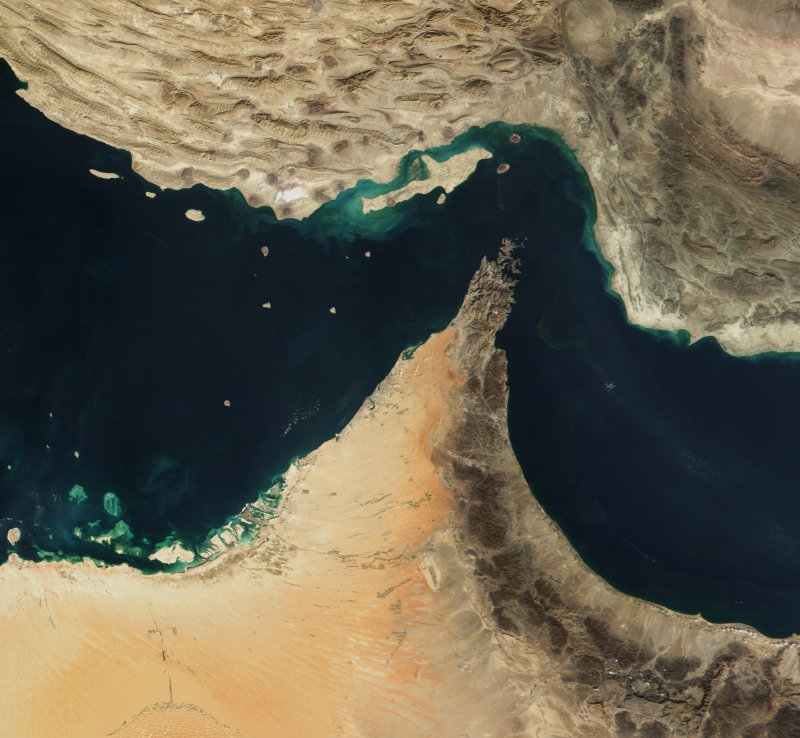
In the intricate web of global commerce and geopolitics, few geographical points hold as much strategic weight as the Strait of Hormuz. This narrow stretch of water, often referred to in Spanish as the estrecho de ormuz, is more than just a shipping lane; it's a critical artery for the world's energy supply, a perpetual flashpoint for international tensions, and a barometer for global economic stability. Nestled between the coastlines of Iran and Oman, it forms the sole maritime gateway connecting the oil-rich Persian Gulf to the broader Gulf of Oman and, ultimately, the world's oceans.
The sheer volume of vital resources that traverse this strait daily underscores its unparalleled importance. Any threat to its free passage sends immediate shockwaves through global energy markets, impacting everything from crude oil prices to the cost of consumer goods. Understanding the dynamics of this volatile corridor is not merely an academic exercise; it's essential for comprehending the underlying vulnerabilities of our interconnected world.
The Unrivaled Strategic Importance of the Strait of Hormuz
The numbers alone paint a compelling picture of the Strait of Hormuz's indispensable role. At its narrowest, the passage measures a mere 54 kilometers (approximately 34 miles) across. Yet, through these confined waters flows an astonishing proportion of the world's energy trade. According to the U.S. Energy Information Administration (EIA), around 20% of global crude oil production, equating to roughly 20 million barrels per day, transits this route. This makes the estrecho de ormuz the single most important oil transit choke point on the planet.
But it's not just oil. A significant and growing share of the world’s liquefied natural gas (LNG) also makes its way through the Strait, primarily from Qatar and the United Arab Emirates destined for energy-hungry Asian markets. Data from the UNCTAD's Review of Maritime Transport 2025 highlights the intense activity: an average of 144 vessels navigate these waters daily. Among them, 37% are oil tankers, 17% are container ships carrying a vast array of goods, and 13% are bulk carriers. This diverse traffic underscores that the Strait's impact extends far beyond energy, touching virtually every sector of the global economy.
For a deeper dive into the significance of this waterway, you might find valuable insights in articles such as The Strait of Hormuz: Global Oil Lifeline and Geopolitical Hotspot, which elaborates on its dual role as both an economic lifeline and a geopolitical hotspot.
Beyond the Numbers: What a Disruption Truly Means
To grasp the true weight of these statistics, consider the domino effect of a potential closure. A sustained disruption would:
- Skyrocket Oil Prices: Immediate and drastic increases in crude oil prices, potentially leading to unprecedented levels, as supply uncertainty grips markets.
- Fuel Global Inflation: Higher energy costs translate into increased production, transportation, and consumer prices across the board, fueling inflationary pressures worldwide.
- Trigger Economic Instability: Many nations, particularly those heavily reliant on Middle Eastern oil and gas, would face severe economic shocks, potentially leading to recessions.
- Threaten Energy Security: Countries would scramble to secure alternative supplies, highlighting vulnerabilities in their energy strategies.
- Impact Shipping and Supply Chains: Not just energy, but all goods transported through the Strait would be affected, leading to delays, increased costs, and potential shortages.
The reliance on the estrecho de ormuz is a vulnerability that policymakers and market analysts constantly monitor, recognizing its potential to destabilize international financial systems.
A Hotbed of Geopolitical Tensions
The strategic importance of the Strait of Hormuz is perpetually amplified by the volatile geopolitical landscape of the Middle East. It has, for decades, been a point of permanent tension, with Iran playing a central role. Tehran has repeatedly threatened to block the passage as a retaliatory measure against international sanctions, particularly those imposed by Washington concerning its nuclear program.
Recent history is replete with instances highlighting this volatility. Following the U.S. withdrawal from the Joint Comprehensive Plan of Action (JCPOA) in 2018, tensions escalated dramatically. The Persian Gulf has since witnessed recurrent episodes of attacks on and confiscations of oil tankers, creating an atmosphere of heightened risk for maritime commerce. In one notable instance, the Iranian Parliament reportedly approved measures for a potential closure of the strait in June 2025 amidst heightened tensions with the U.S. Furthermore, in February 2026, Iran announced temporary closures of specific maritime areas for naval maneuvers, signaling its capacity and willingness to assert control.
These actions, whether direct threats or military exercises, serve as stark reminders of the immediate impact geopolitical friction can have on global energy prices and overall market sentiment. For those interested in the specifics of oil flows, the article Understanding the Strait of Hormuz: 20% of World Oil Flows Here provides further details on the magnitude of the oil traversing this critical route.
Mitigation Efforts and Persistent Challenges
Recognizing the inherent risks associated with such a vital choke point, some nations, particularly Iran, have explored alternatives to reduce their sole dependence on the estrecho de ormuz. In 2021, Iran inaugurated a new oil terminal in the Gulf of Oman, near the city of Jask. This terminal is connected via a 1,000-kilometer pipeline from the Goreh oil field, allowing Iran to export a portion of its crude without needing to transit the Strait. While a significant strategic development, its initial capacity of 300,000 barrels per day is a mere fraction of the total volume that passes through Hormuz, demonstrating the immense challenge of creating truly viable alternatives.
Other Gulf states have also invested in pipelines bypassing the Strait, but none possess the capacity to fully divert the current volume of oil and gas. This means that, for the foreseeable future, the Strait of Hormuz will remain the world's indispensable energy conduit.
Navigating the Volatility: Tips for Global Stakeholders
Given the persistent volatility, various stakeholders must adopt strategies to mitigate risks:
- For Governments:
- Diplomacy and De-escalation: Prioritize diplomatic solutions to regional conflicts and de-escalate tensions, especially those involving Iran.
- Strategic Petroleum Reserves: Maintain robust strategic reserves to cushion the immediate impact of supply disruptions.
- Diversification of Energy Sources: Invest in renewable energy and explore diverse global supply chains for oil and gas where feasible.
- For Businesses (Shipping, Energy Companies):
- Risk Assessment: Conduct continuous, high-level risk assessments for operations within and near the Strait.
- Insurance and Contingency Planning: Ensure adequate insurance coverage for vessels and cargo, and develop comprehensive contingency plans for supply chain disruptions.
- Route Optimization: Explore alternative (though often longer and more expensive) shipping routes if deemed necessary due to escalated threats.
- For Global Markets:
- Vigilant Monitoring: Maintain constant vigilance over geopolitical developments in the region.
- Transparency: Promote transparency in energy markets to help manage speculation during periods of uncertainty.
Conclusion
The Strait of Hormuz is far more than a geographical feature; it is a critical valve for the global economy, directly influencing energy prices, inflation, and international stability. Its vulnerability to geopolitical strife, particularly the ongoing tensions involving Iran, makes it a constant source of concern for governments and markets worldwide. While efforts to create alternative routes are underway, the estrecho de ormuz will undeniably retain its status as the world's most vital maritime choke point for energy for decades to come. As such, fostering regional stability, pursuing diplomatic solutions, and developing robust contingency plans remain paramount to safeguarding global energy security and economic prosperity against the unpredictable currents of this volatile corridor.